45x
Fewer AI tokens to get grounded account answers
The Deterministic Engine for Enterprise AI
Everything here sits under your agents: one governed graph that unifies your data, computes intelligence, accrues wisdom, and delivers it wherever your team works — including the copilots they already use.
 RECOGNIZED BY GARTNER
 #1 — WINNING BY DESIGN 2025
 ZERO AI PoCs LOST IN 2025
Discover How Our Customers Are Thriving with FunnelStory!
45x
Fewer AI tokens to get grounded account answers
11K+
Customer accounts unified into one Customer Intelligence Graph
80%
Cut in manual CS busywork across both workspaces
500K+
Conversations reconciled into a single model
Why now
Deploying autonomous agents against revenue-critical relationships demands flawless, auditable execution. On their own, neither an LLM nor a warehouse clears that bar.
The LLM problem
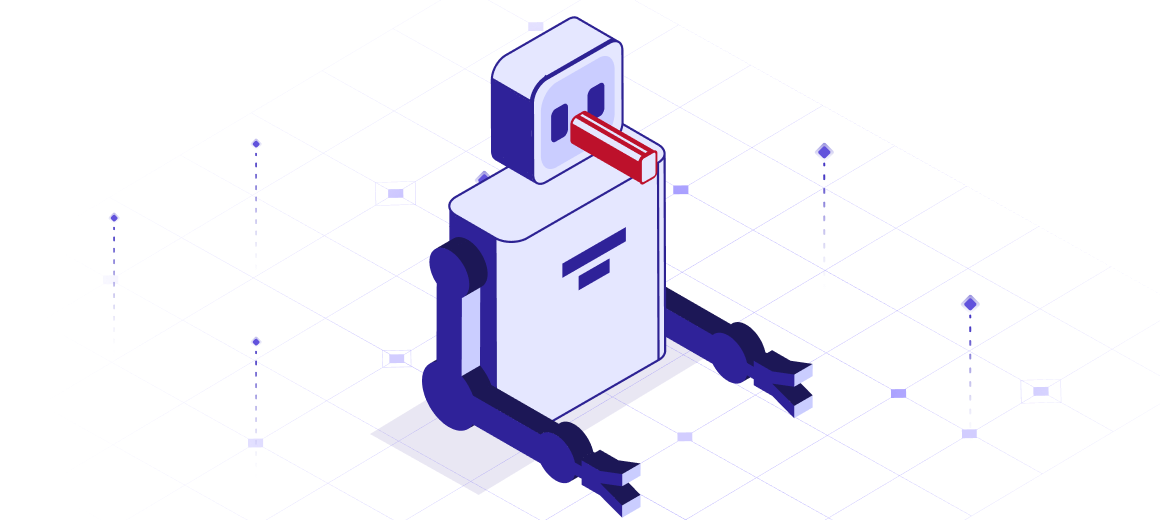
Point a raw LLM at your CRM and it guesses. Ask it to calculate renewal risk from raw logs and you get inconsistent answers and logic no one can audit. It generates text — it doesn't hold ground truth.
The warehouse problem
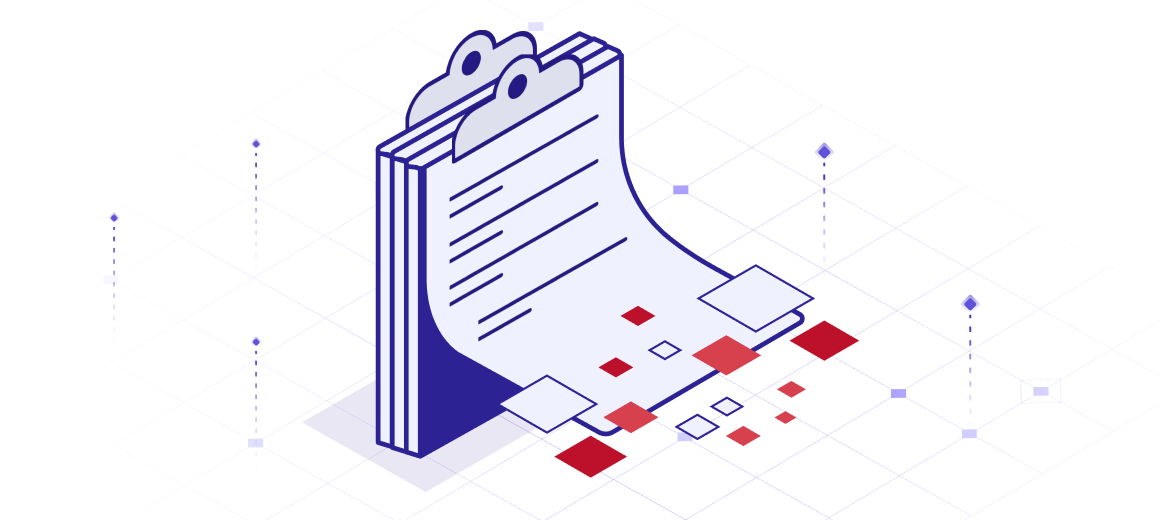
A warehouse is a perfect record of state — but it has no semantic reasoning, no gap detection, and no judgment. Raw data alone can't tell an agent what to do next.
The missing layer is fused, computed, and accrued
The Customer Intelligence Graph fuses your sources into verified facts, computes the intelligence once, and accrues the wisdom that turns facts into action — so agents reason over truth, not text.
The architecture
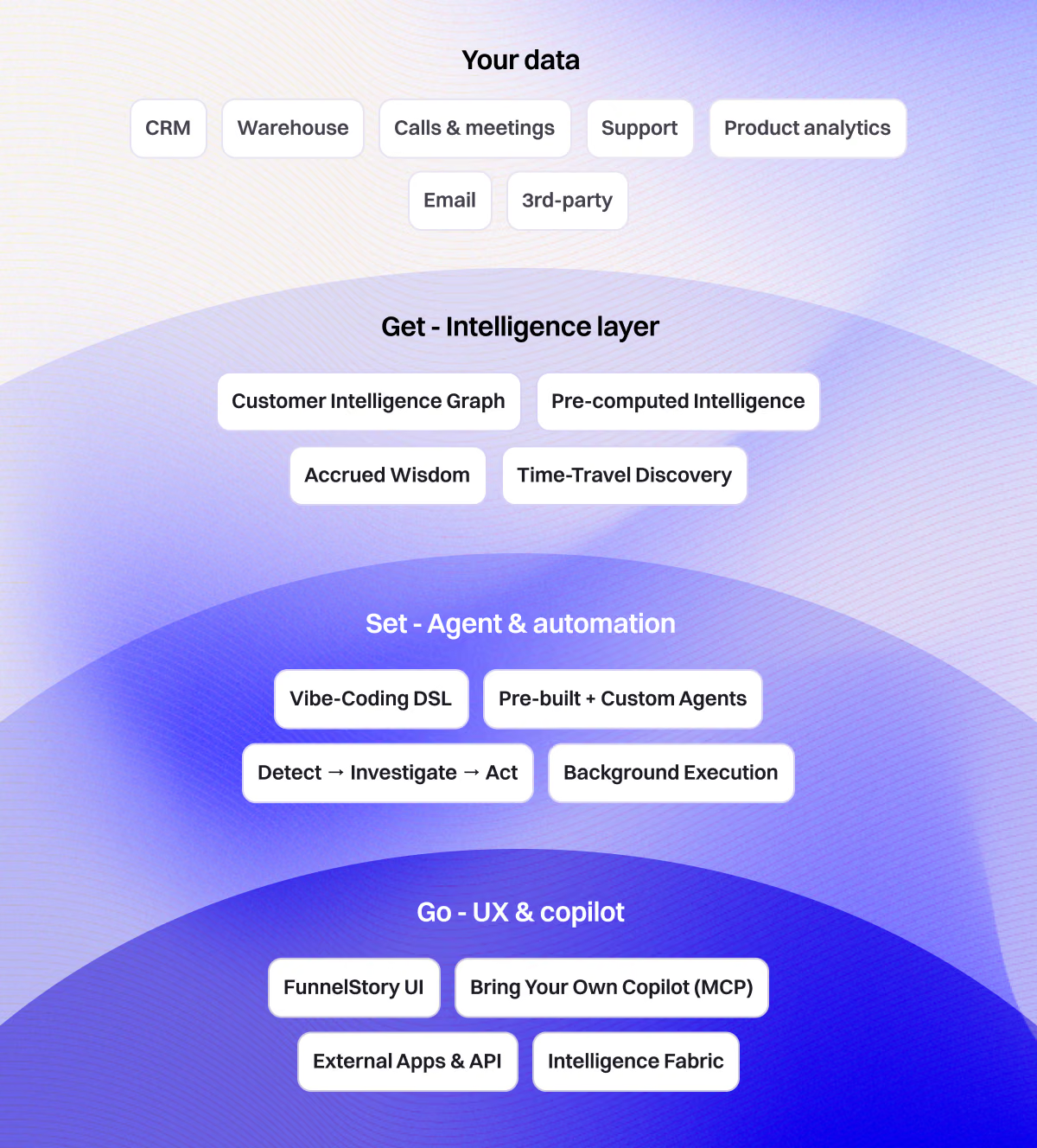
One modular architecture takes your scattered enterprise data and turns it into trustworthy intelligence, capable agents, and action delivered to every team and AI system you run.
Built on all your data
The foundation everything else stands on: your data, unified and refined into wisdom your agents can trust.
Context layer
Structured and unstructured sources joined into one governed graph across 18 normalized entity types — accounts, users, contracts, tickets, meetings, activities — in a single inspectable context.
Pre-computed intelligence
Predictions trained on your own outcomes, Needle Movers, customer journey, cohorts, and forecasts — generated once, so every person and every agent works from the same reality instead of re-deriving it per query.
Accrued wisdom
What's true about the account, and what to do about it — the earned, account-specific know-how that compounds every quarter.
Time-Travel Discovery
The graph maps every interaction from the first touch, so agents reason over the full history — and the wisdom compounds, knowing more each quarter than the last.
The concept
Intelligence is what's computed from your data. Wisdom is what the graph accrues on top of it — the earned, account-specific know-how of what's true and what works, held across every quarter so it compounds instead of resetting each time someone asks.
Descriptive Wisdom
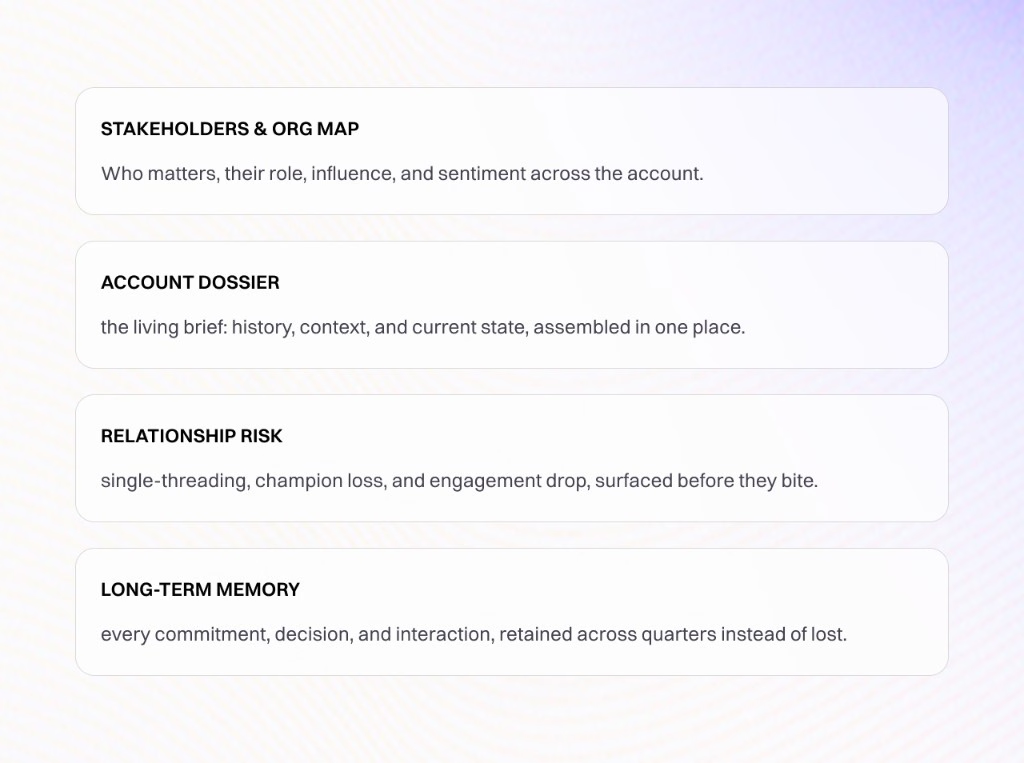
The living understanding of the relationship — who's involved, what's happened, and where it stands right now.
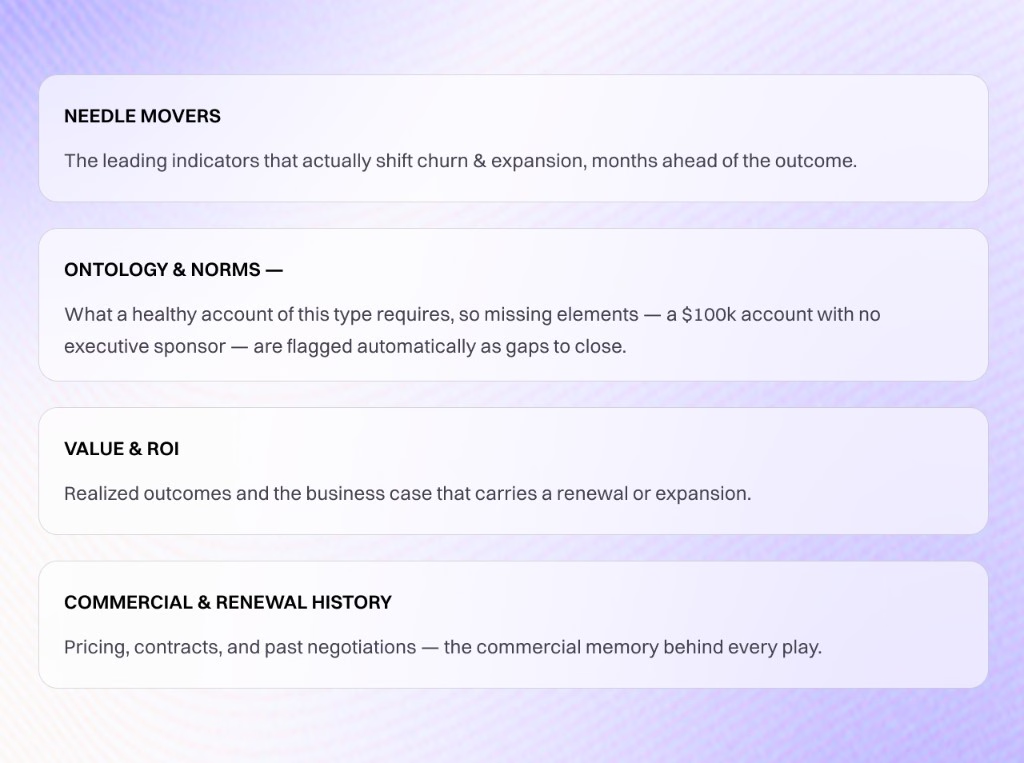
Decision Wisdom
The earned judgment of what "good" looks like for this account — and what actually moves it there.
Why it compounds
Because wisdom is accrued and retained, the graph knows more each quarter than the last — every resolved issue, closed gap, and completed play sharpens the next decision. It's the difference between an agent that starts cold each time and one that has been on the account for a year.
Built on all your data
A control plane for configuring, running, and governing AI agents — pre-built out of the box, or your own, snapped together like LEGO blocks without writing pipeline code.
Vibe-Coding DSL
A prompt-based domain language turns a plain-English description into a working, testable agent — no engineering queue.
Detect → Investigate → Act
Each stage draws on a different layer of the graph: signals to detect, Descriptive Wisdom to investigate, Decision Wisdom to act.
Pre-built + custom
QBR, CSP, onboarding, campaigns, CRM updates, action cards — ready on day one, and fully extensible.
Background execution
Agents run continuously against fresh data and trigger workflows even while your team is offline.
Built on all your data
The same wisdom, surfaced to humans and AI systems in the right place and format for each audience — no new tool to learn.
FunnelStory UI
Prioritized views, dashboards, and agent management for teams who want a purpose-built home.
Bring Your Own Copilot
Claude, ChatGPT, Cursor, or any MCP client reasons over the Customer Intelligence Graph directly — secure, permissioned, token-efficient.
External apps & API
Surface intelligence and write actions back into Slack, your CRM, and CSM tools — or build custom apps on the API.
Intelligence Fabric
Frontline, ops, and leadership each get the intelligence they need, in the form they need it — from one shared source.
Enterprise-grade
Intelligence is pre-computed centrally, which means role-based access controls sit over every output: each user and agent sees and does only what its human role permits. Every part of the graph is inspectable and every action is logged for a complete audit trail.
Every signal an agent acts on is trained and backtested against your own churned and retained accounts — measured on recall, so agents act on facts.
Run fully autonomously, or set human-in-the-loop approval gates before an agent executes a critical action.
Role-based access sits over every agent — each sees and does only what its human role allows.
Our Unified Journey and needle-mover methods are patent-pending technology.
A CRM holds records. The Customer Intelligence Graph links them — accounts, users, contracts, tickets, meetings, conversations — into one governed model with pre-computed intelligence and accrued wisdom. Agents reason over the full account truth, not a single system snapshot.
No. The Customer Intelligence Graph is a snapshot of current and historical reality. It is a deterministic record of what is, ensuring agents act on absolute truth. Simulating future outcomes is handled by our separate evaluation models.
Because the graph knows the "physics" of B2B relationships — like knowing a $100k account needs an executive sponsor — it automatically flags when those required elements are missing. These gaps are fed directly to the AI agent as tasks to solve.
The graph currently supports 18 normalized entity types essential for B2B operations, including accounts, users, contracts, tickets, meetings, and activities, along with their complex semantic relationships.
Intelligence is what's computed from your data. Wisdom is what the graph accrues on top of it — the earned, account-specific know-how of what's true and what works, held across every quarter so it compounds instead of resetting each time someone asks.